Quick Summary
• Digital eye strain (also known as Computer Vision Syndrome) affects up to 90% of people who work on computers.
• Common symptoms include dry eyes, blurred vision, headaches, neck pain, and difficulty sleeping.
• It is mainly caused by blue light exposure, excessive screen brightness, and reduced blinking during prolonged screen use.
• In most cases, digital eye strain is temporary and improves after resting the eyes.
• Tools like CareUEyes help reduce digital eye strain by filtering blue light, controlling screen brightness, and reminding you to take regular breaks.

Digital Eye Strain is increasingly common in today’s digital world. According to the American Optometric Association, between 50% and 90% of people who work on computers experience symptoms of Digital Eye Strain, also known as Computer Vision Syndrome.
Fortunately, you don’t have to give up using computers to protect your eyes. By understanding the causes of digital eye strain and using the right tools, it is possible to significantly reduce eye fatigue and improve visual comfort.
What is Digital Eye Strain?
Digital Eye Strain is a group of eye and vision-related problems that result from prolonged computer, tablet, e-reader, and cell phone use. When we look at screens, our eyes have to work much harder than they do when reading printed text.
Common symptoms of Digital Eye Strain include:
Dry, red, or irritated eyes
Blurred or double vision
Headaches and migraines
Neck and shoulder pain
Difficulty sleeping (Insomnia)
What Causes Digital Eye Strain?
Digital eye strain is typically caused by three main factors: exposure to high-energy blue light, screen brightness that does not match the surrounding environment, and reduced blinking while focusing on digital screens. Studies show that people blink up to 66% less frequently when looking at a monitor, which can quickly lead to dry and irritated eyes.
Who is Most at Risk?
Digital Eye Strain doesn’t affect everyone the same way. You are at a significantly higher risk if you belong to these groups:
Software Developers & Designers: Spending 8+ hours in “Deep Work” mode means your eyes are locked onto high-contrast code or tiny design pixels, leading to severe focus fatigue.
Students & Gamers: Long sessions of late-night study or gaming expose your eyes to massive amounts of blue light, which can ruin your sleep quality and focus for the next day.
Contact Lens Wearers: Digital screens cause you to blink less frequently. For contact lens users, this leads to rapid lens dehydration, making your eyes feel “gritty,” red, and irritated.
Remote Workers: Often working in home environments with suboptimal lighting or improper desk heights, which increases the physical strain on your neck and eyes.
How Long Does Digital Eye Strain Last?
Digital eye strain usually lasts from a few hours to several days depending on how long your eyes were exposed to screens. Most symptoms improve after resting the eyes and reducing screen exposure.
Is Digital Eye Strain Permanent?
Digital eye strain is not permanent in most cases. It is usually a temporary condition caused by prolonged use of computers, smartphones, and other digital screens. Symptoms such as dry eyes, blurred vision, headaches, and eye fatigue typically improve after resting your eyes or reducing screen exposure.
However, if digital eye strain occurs frequently and good eye care habits are not followed, the discomfort can become persistent and significantly affect daily productivity and comfort.
How CareUEyes Helps Reduce Digital Eye Strain
Treating digital eye strain requires a multi-faceted approach because different symptoms are caused by different screen-related factors. CareUEyes is designed as a complete eye protection solution for PC users. By addressing the main causes of digital eye strain—blue light exposure, excessive screen brightness, and prolonged screen focus—it helps relieve common symptoms such as dry eyes, headaches, blurred vision, and sleep problems.
Download CareUEyes
1. Professional Blue Light Filtering
One of the most common symptoms of digital eye strain is difficulty sleeping and eye fatigue in the evening. This often happens because computer screens emit a large amount of short-wavelength, high-energy blue light. Blue light scatters easily in the eye, reducing visual contrast and forcing your eyes to work harder to maintain focus. More importantly, excessive blue light exposure at night suppresses melatonin production, which can disrupt your natural sleep cycle and lead to insomnia.
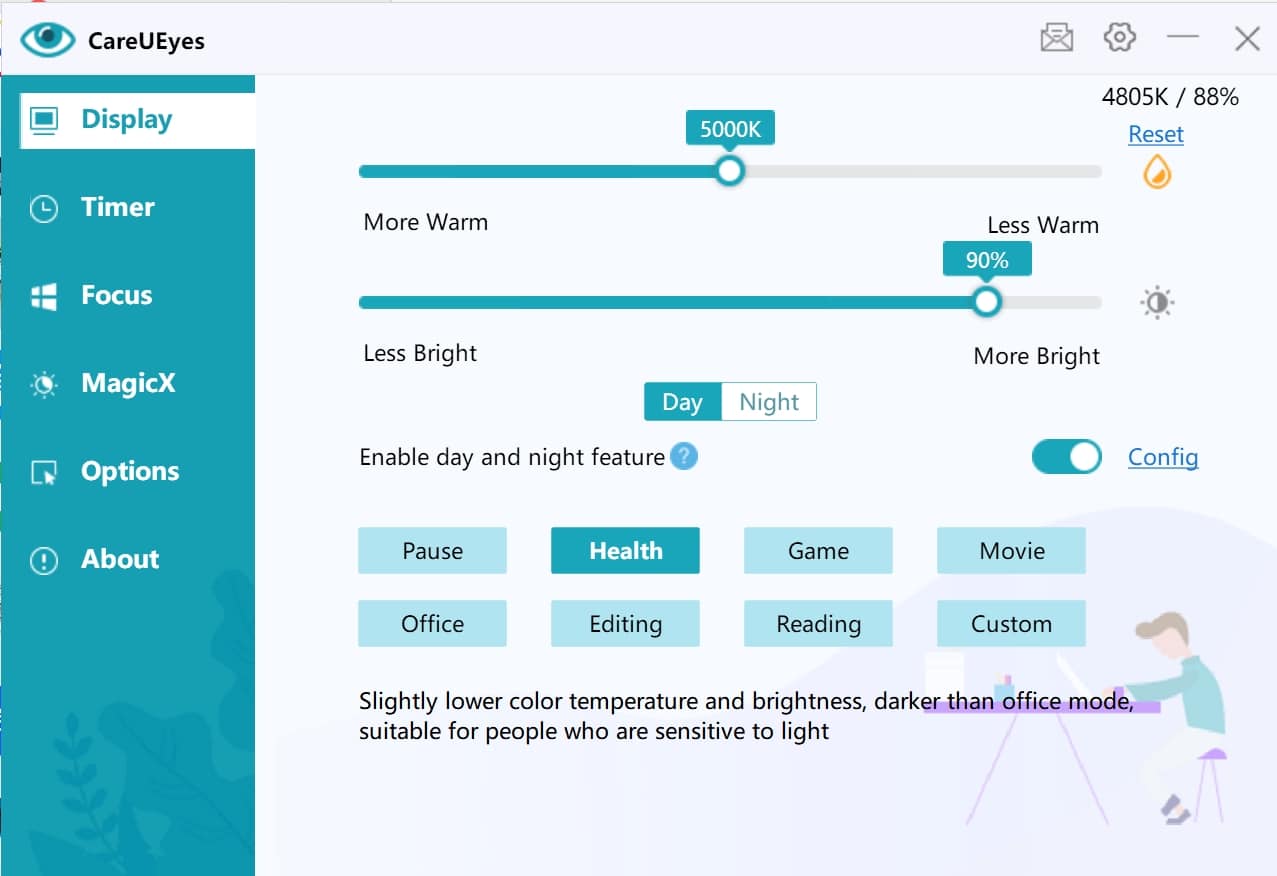
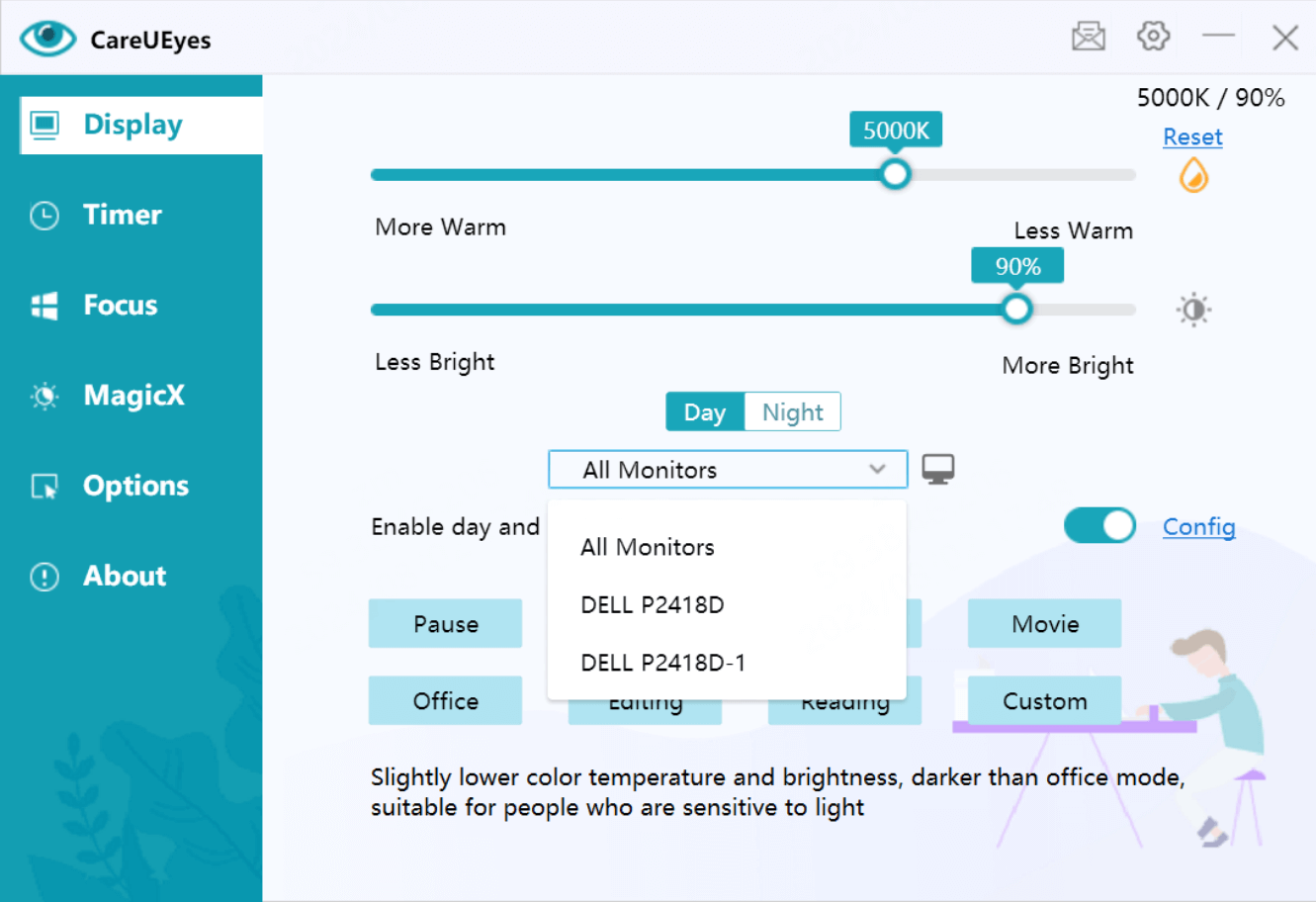
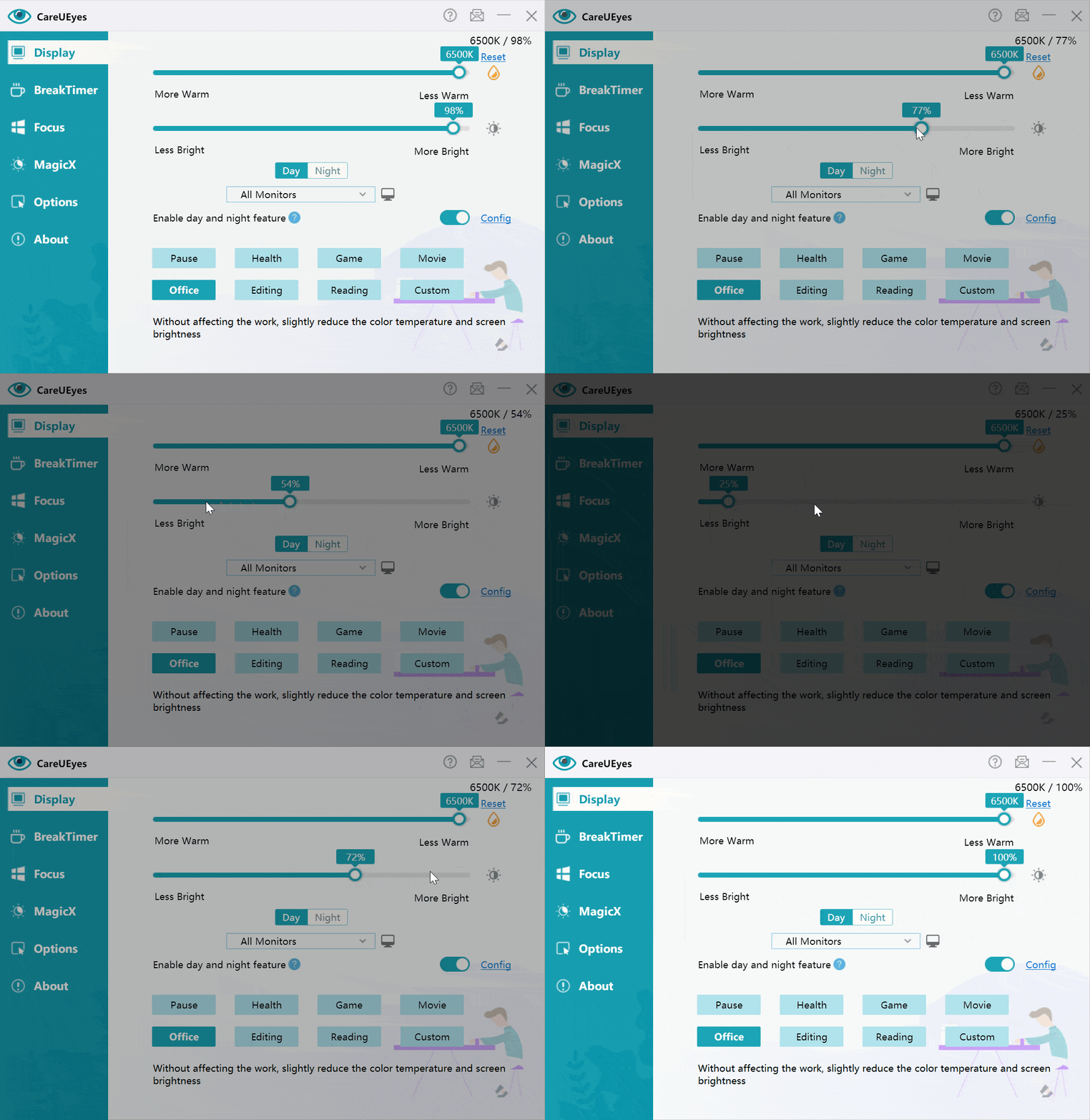
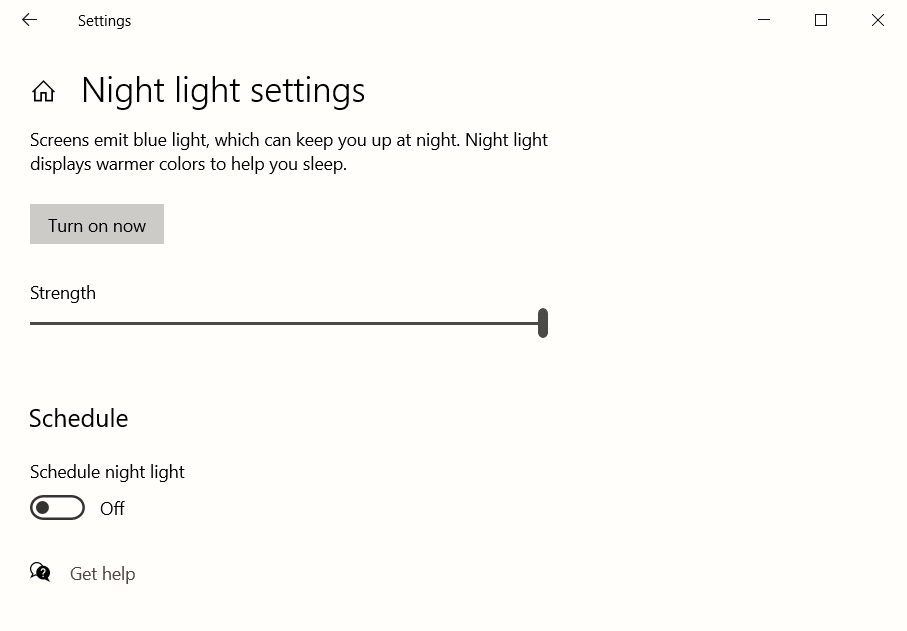
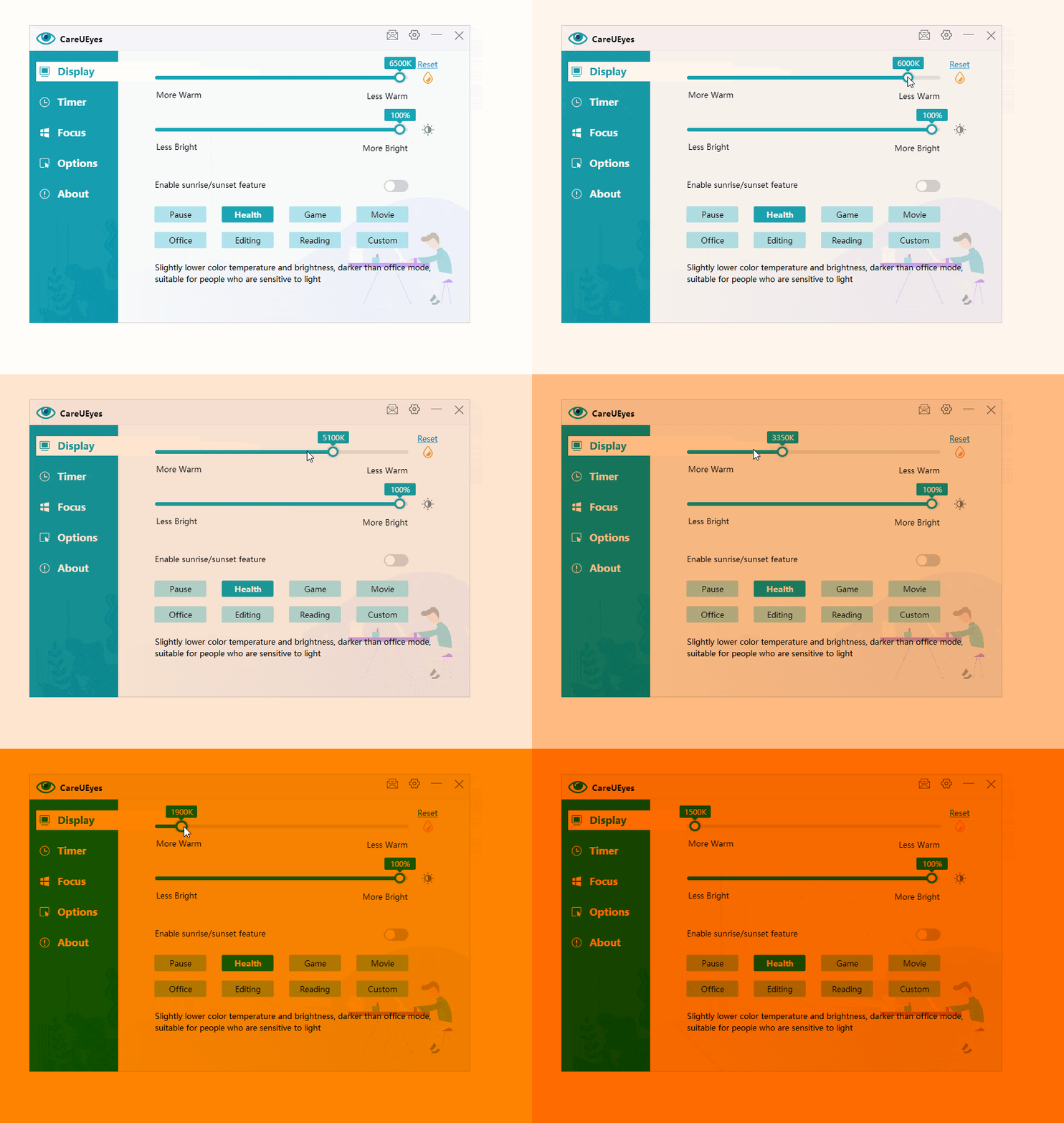
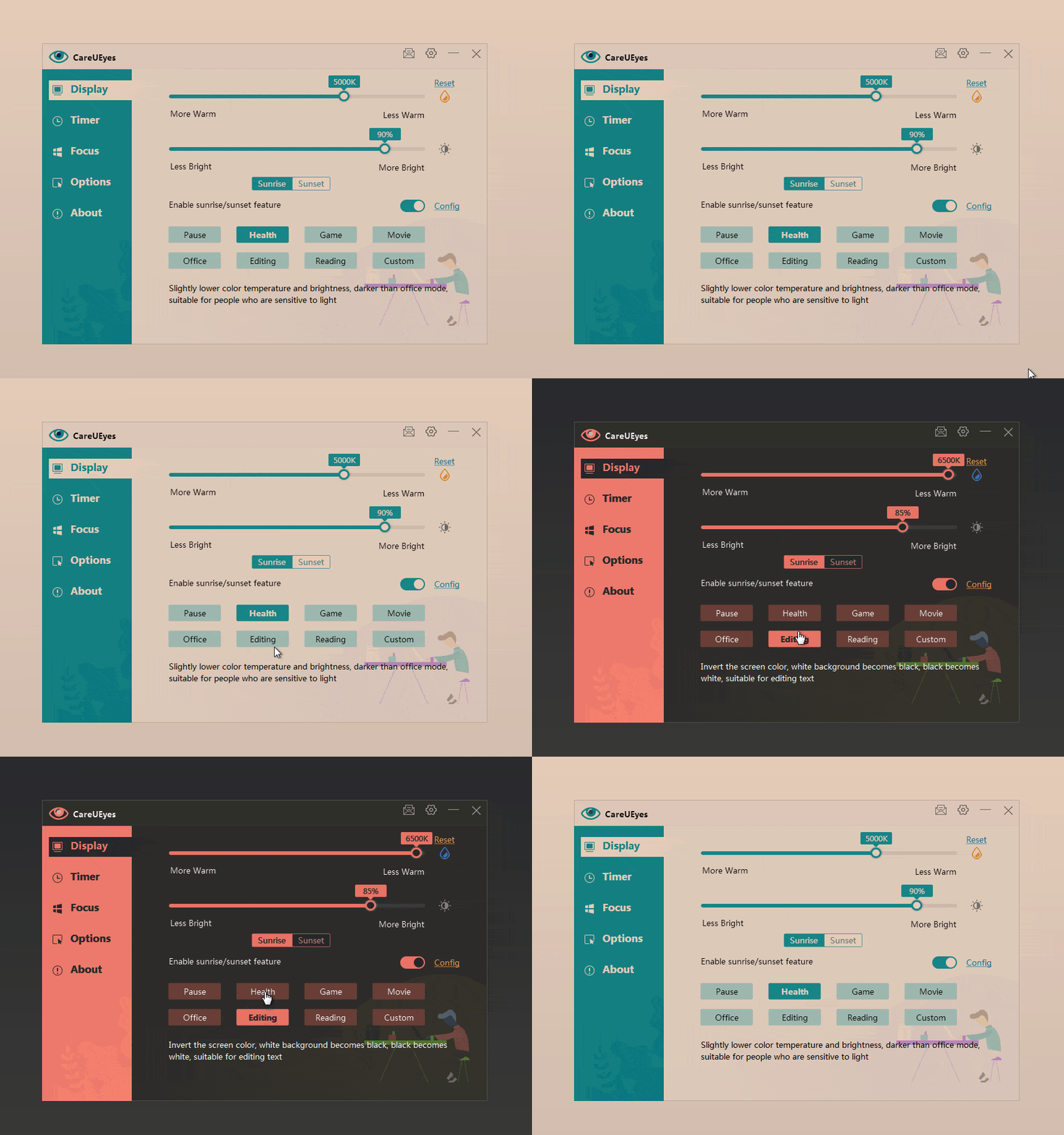
CareUEyes solves this problem with intelligent blue light filtering and color temperature adjustment. By lowering the screen’s color temperature, the software significantly reduces harmful blue light emissions.
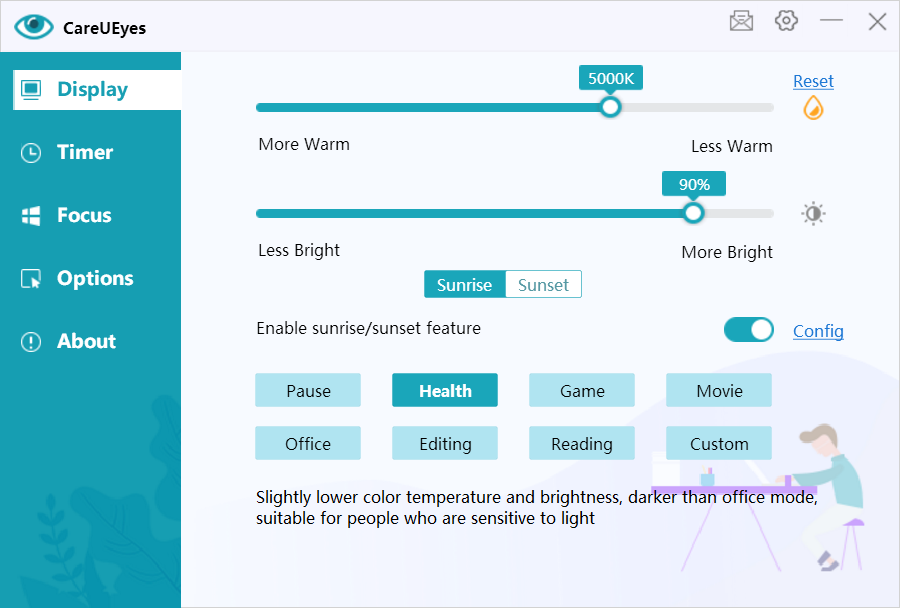
For example, CareUEyes can automatically adjust screen color temperature based on local sunrise and sunset times. During the evening and night, the screen becomes warmer with less blue light, which helps your eyes relax and supports healthier sleep patterns.
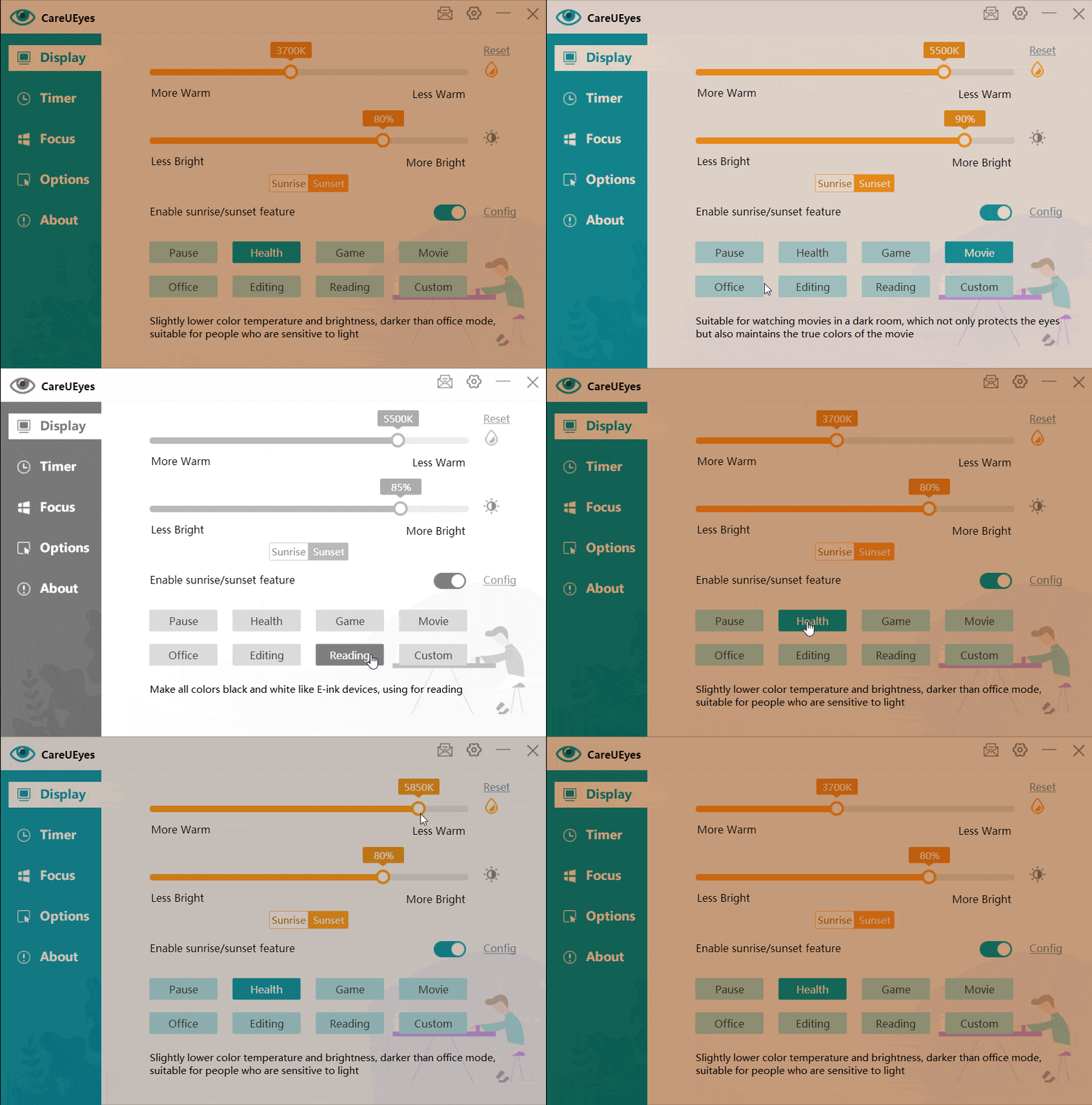
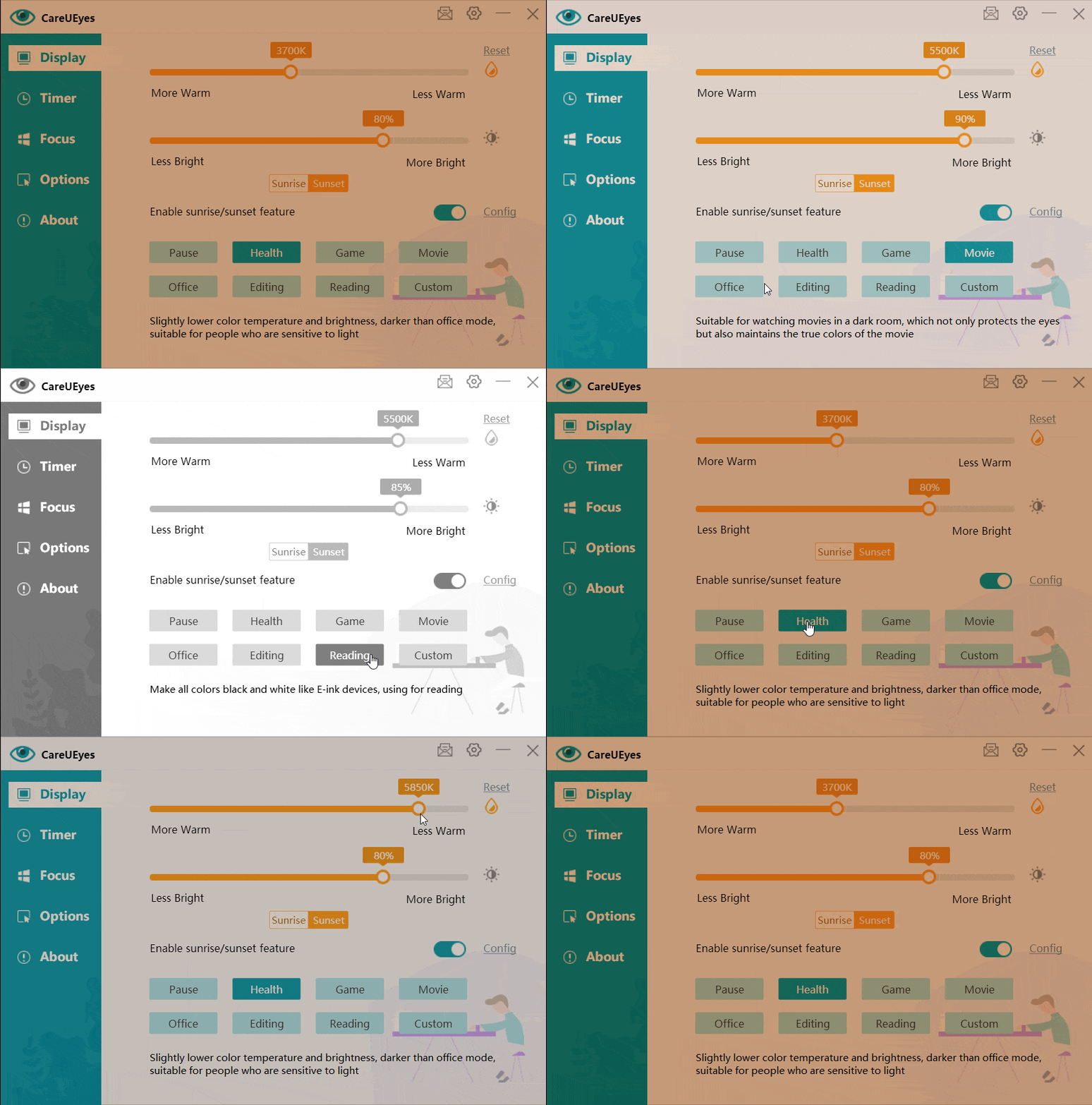
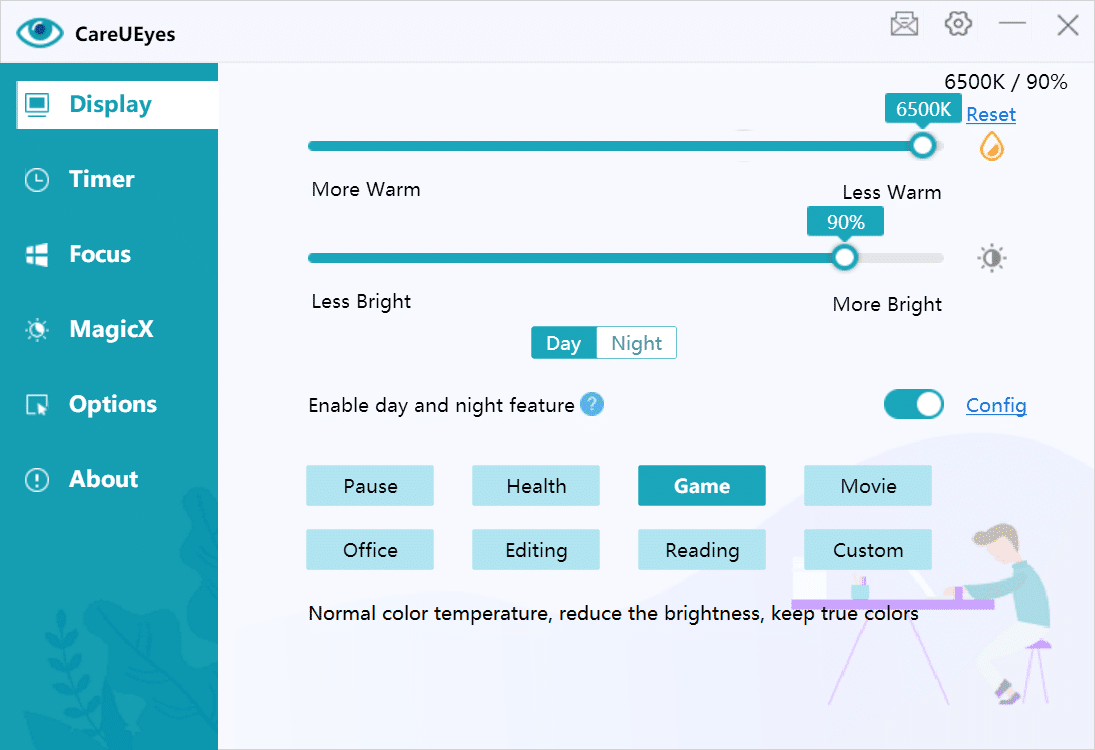
You can also enable blue light filtering instantly by selecting preset modes such as Office, Health, or Game mode. After choosing a preset, you can further fine-tune the color temperature using the slider to achieve the most comfortable viewing experience.
2. Smart Brightness Control & Screen Dimmer
Another common symptom of digital eye strain is headaches, eye irritation, and blurred vision, which are often caused by screen brightness that does not match the surrounding environment.
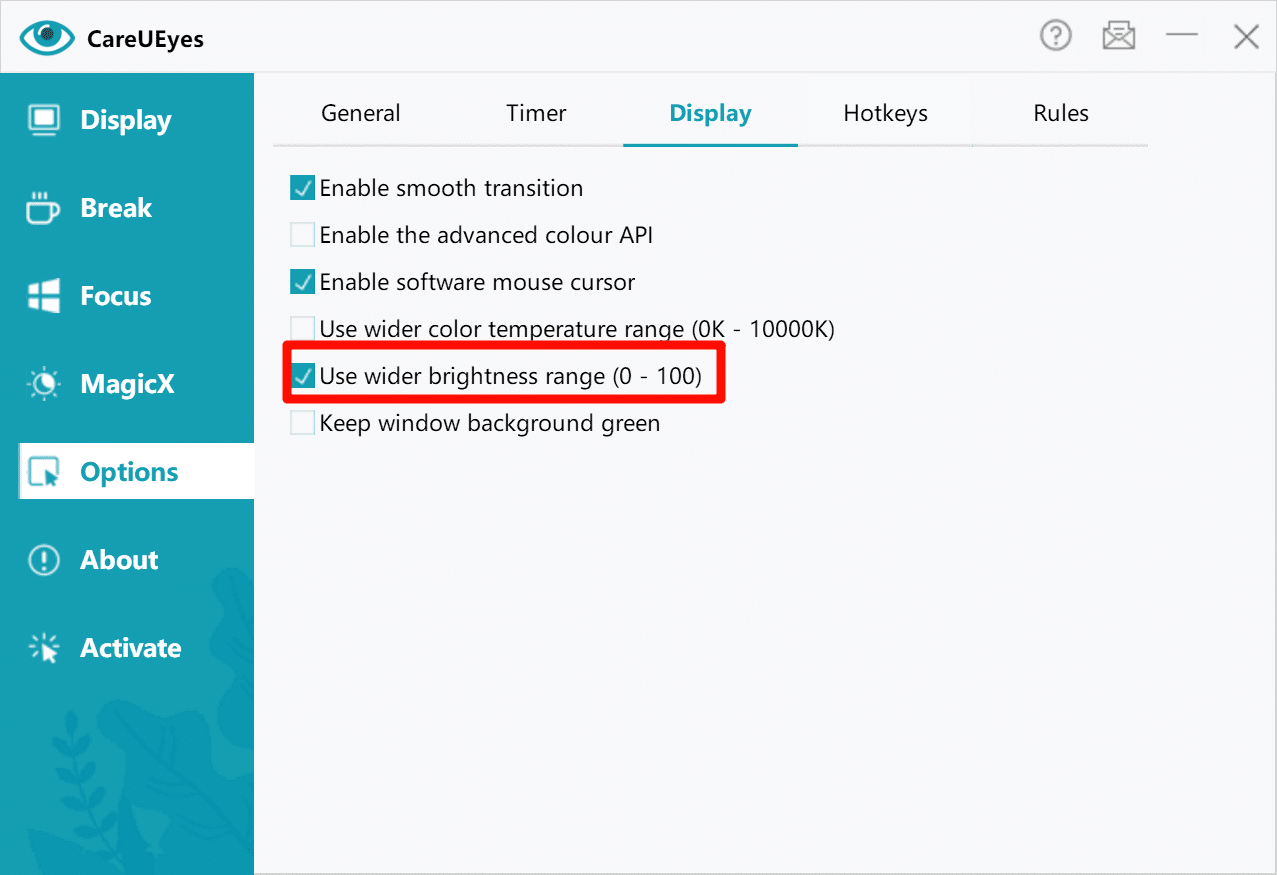
For example, looking at a bright monitor in a dark room forces your eyes to constantly adapt to extreme contrast. Over time, this can lead to headaches, red eyes, and visual fatigue. Even worse, many monitors remain too bright even when the hardware brightness is set to 0%.
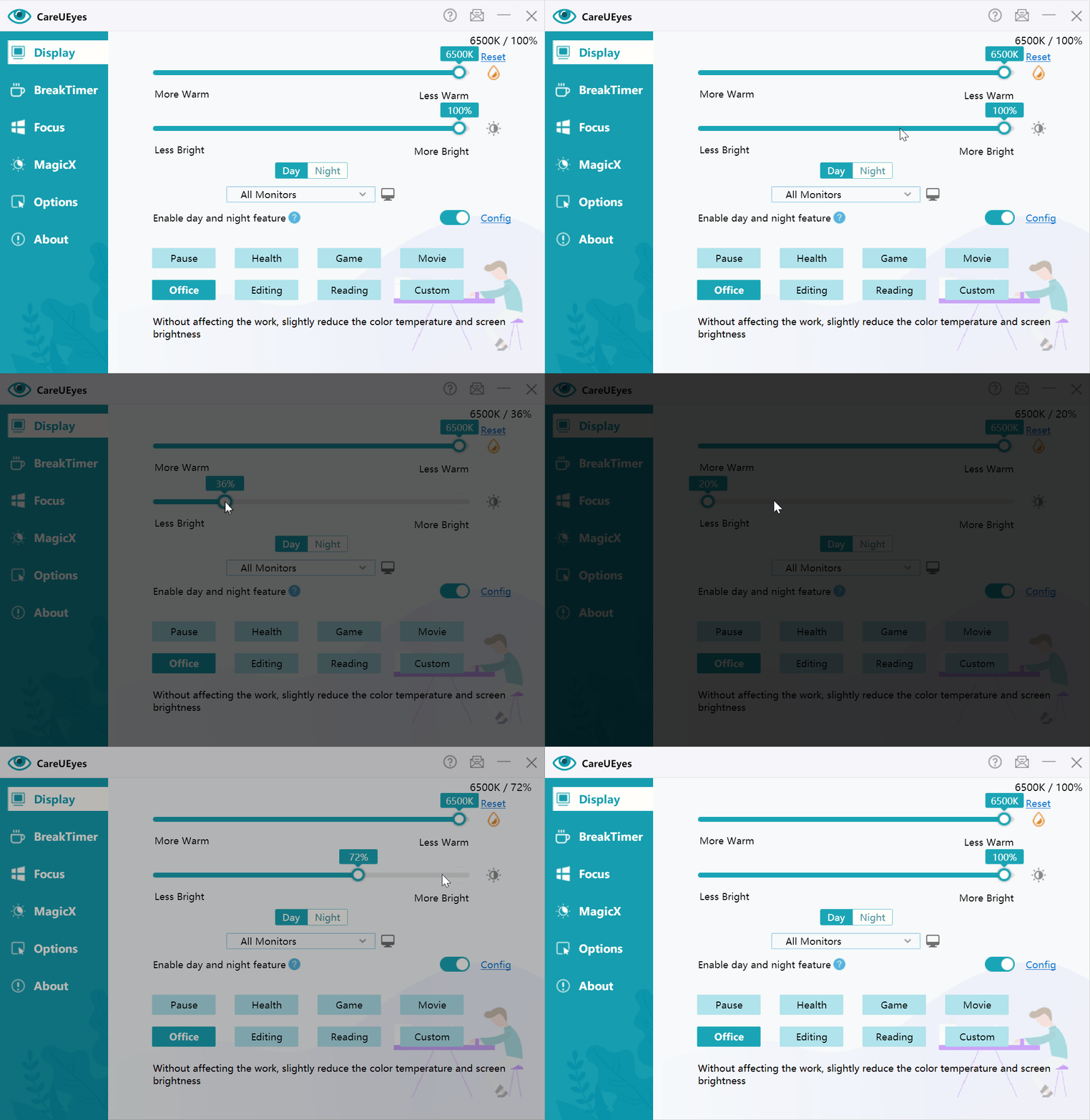
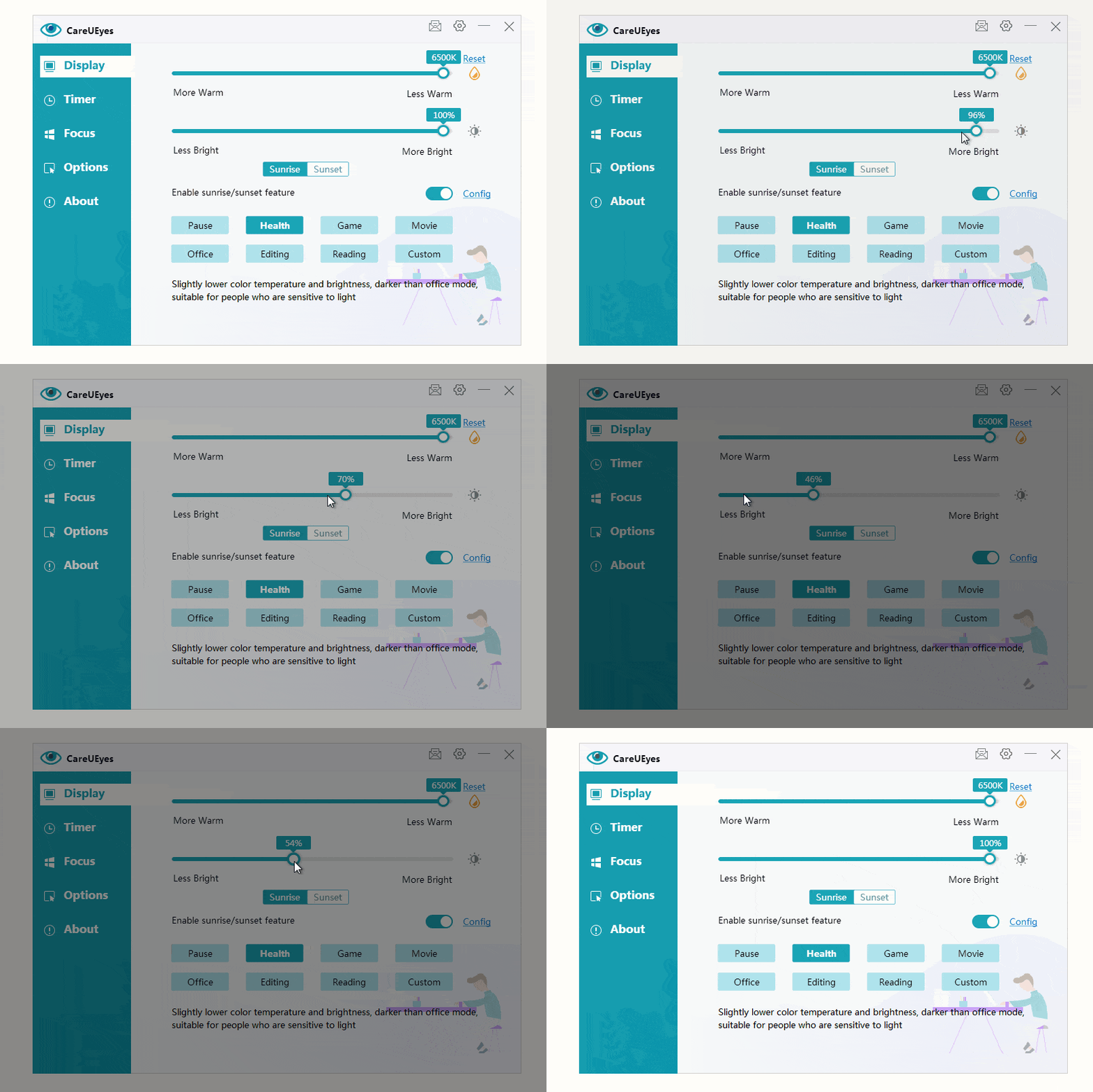
CareUEyes solves this with advanced screen brightness control and screen dimmer technology. It allows you to fine-tune your screen brightness far beyond normal hardware limits, creating a softer and more comfortable viewing experience.
The built-in screen dimmer can safely reduce brightness without flickering, which helps minimize visual strain during long working sessions. In addition, CareUEyes can automatically adjust screen brightness based on local sunrise and sunset times. As evening approaches, the screen gradually becomes dimmer and warmer, which helps reduce eye fatigue and supports healthier sleep.
This significantly reduces symptoms such as eye irritation, headaches, and blurred vision caused by overly bright screens.
3. Automated Break Timer (The 20-20-20 Rule)
Prolonged screen use often leads to dry eyes, eye fatigue, neck pain, and difficulty focusing. This happens because when we stare at screens, our blinking rate drops dramatically.
Eye care professionals recommend the well-known 20-20-20 rule to reduce this strain:
Every 20 minutes, look at something 20 feet away for at least 20 seconds.
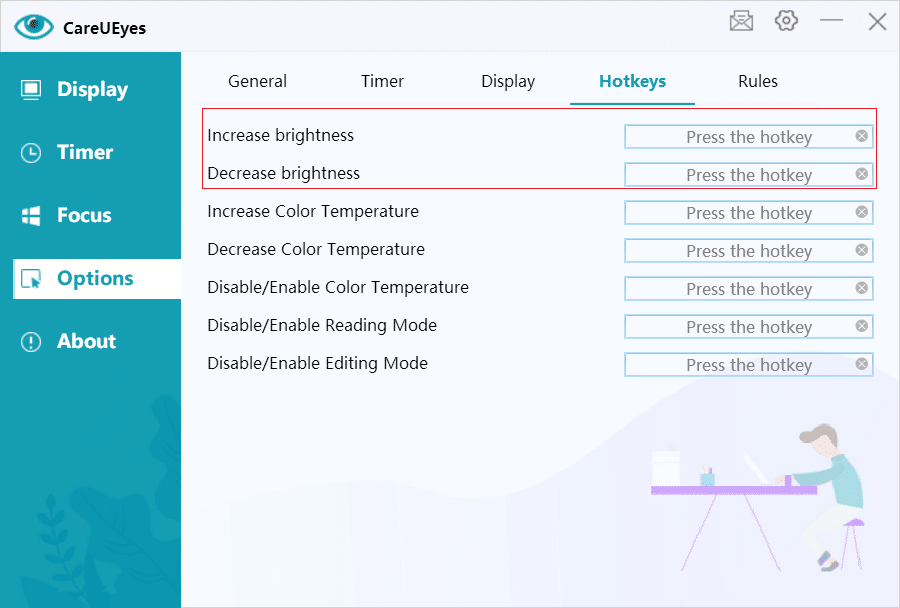
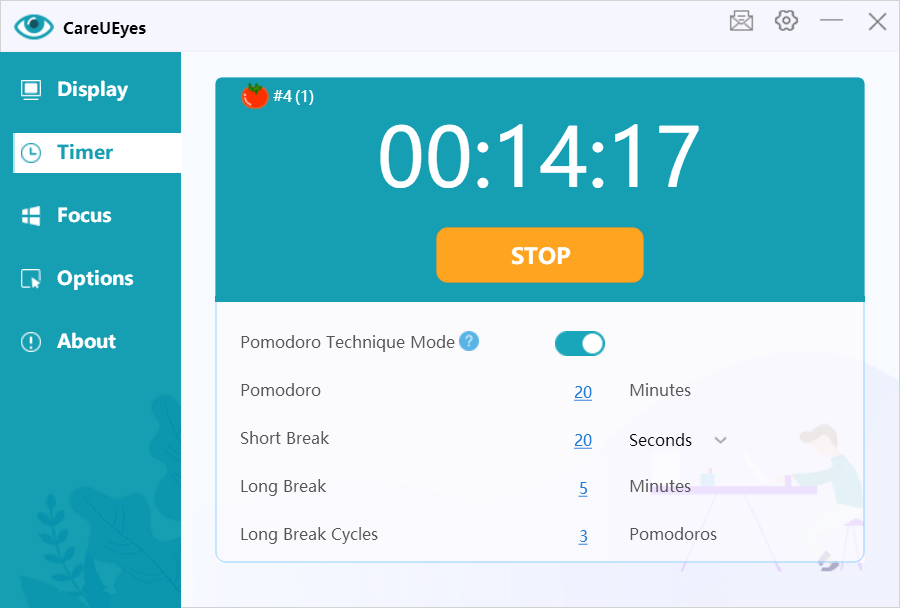
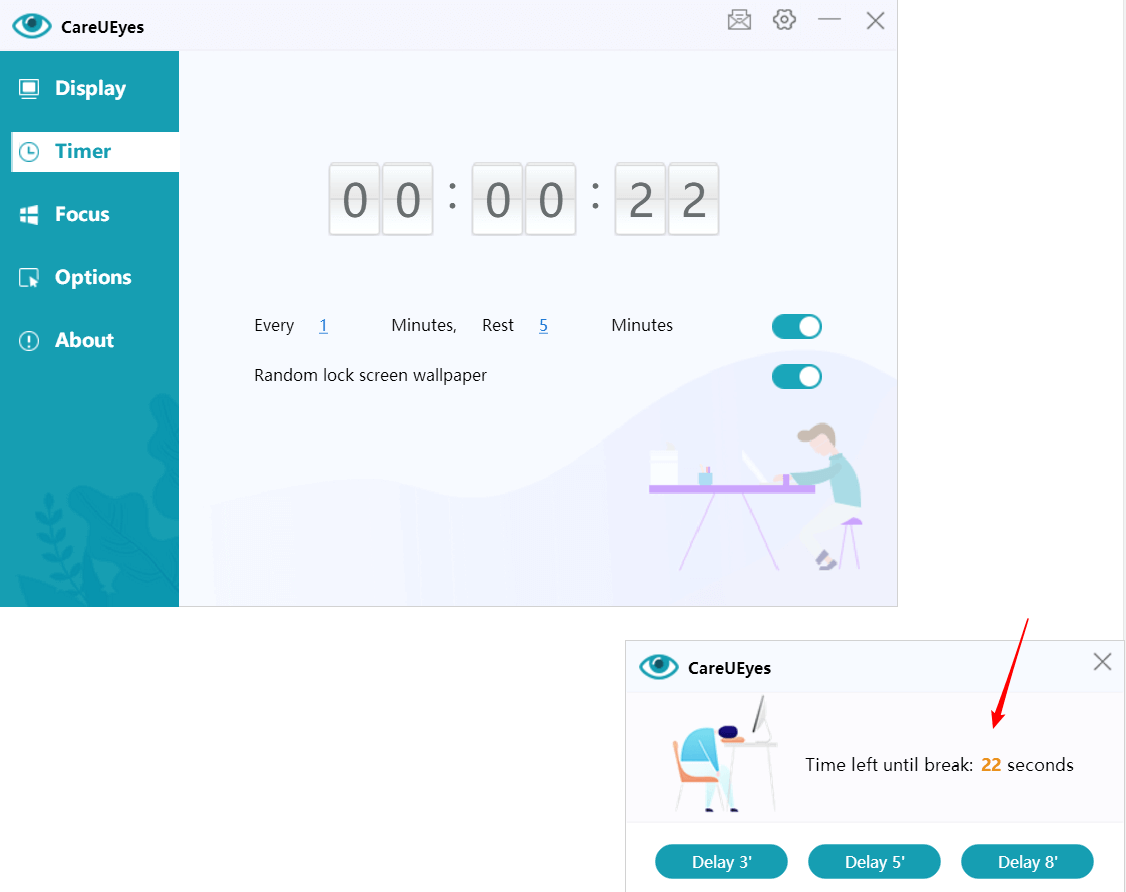
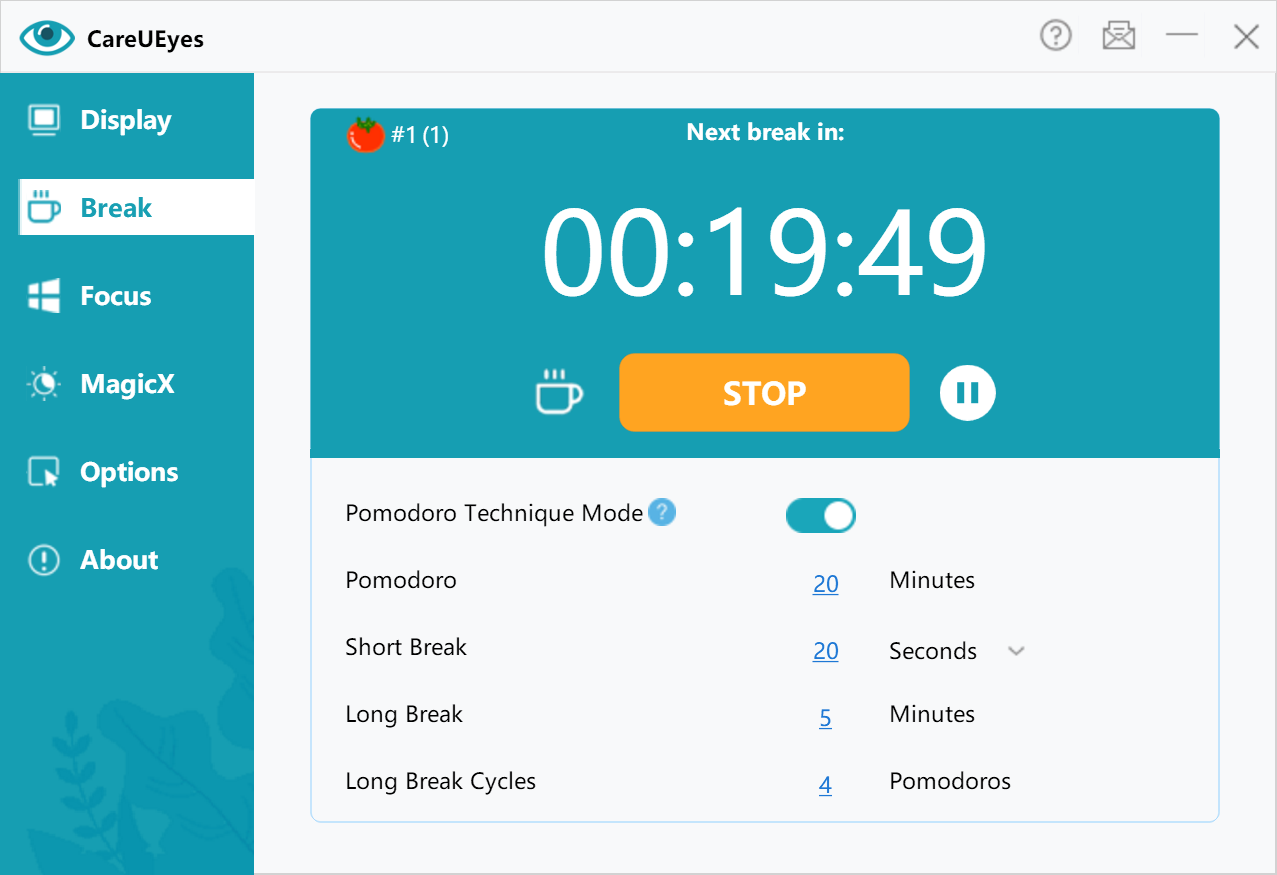
However, remembering to take breaks while concentrating on work is difficult. The CareUEyes Break Timer automates this healthy habit by providing gentle reminders to look away from the screen.
You can set short micro-breaks for quick eye relief or longer breaks to stretch and relax your neck and shoulders. These regular breaks help restore normal blinking, reduce eye dryness, and prevent long-term screen fatigue.
Combined with blue light filtering and smart brightness control, the break timer creates a complete solution for relieving digital eye strain symptoms.
See the Difference Today
Digital eye strain shouldn’t be accepted as a “normal” part of using a computer. By filtering out harsh blue light, optimizing your screen’s brightness, and reminding you to take vital breaks, CareUEyes provides an all-in-one shield for your vision.
Ready to reduce digital eye strain and protect your vision?
Download CareUEyes today and experience a more comfortable and productive digital life.
🩺 A Note on Your Vision Health
While CareUEyes is a powerful tool designed to significantly reduce digital eye strain and improve visual comfort, it is not a substitute for professional medical advice.
If your symptoms—such as severe blurred vision, persistent headaches, or eye pain—continue even after using eye protection tools and taking regular breaks, we strongly recommend consulting a licensed eye care professional (optometrist or ophthalmologist). Routine eye exams are essential to rule out underlying vision problems and ensure your long-term eye health. Use CareUEyes as your daily shield, but listen to your eyes first.